Project page
Build a Calm, Hands-On Learning Shelf
A focused setup for rotating manipulatives, independent practice, and supplies without visual overload.
One skill per tray
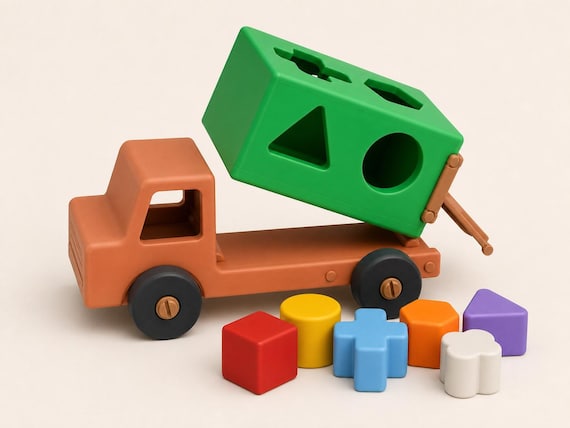
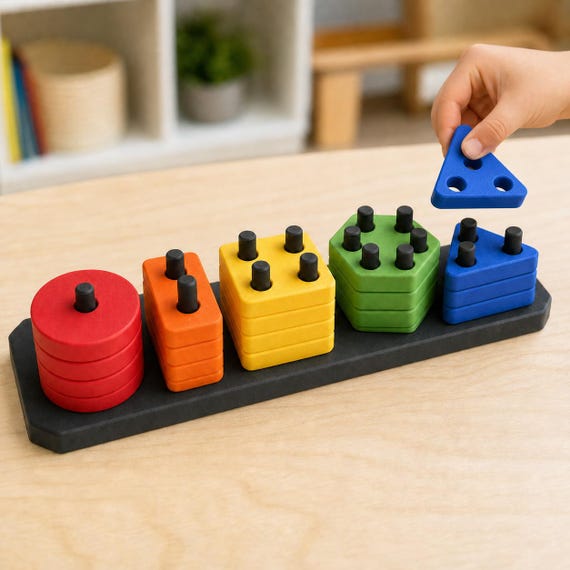
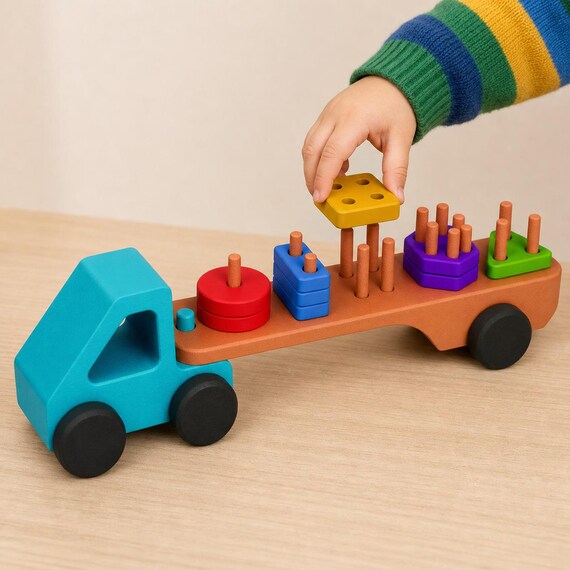
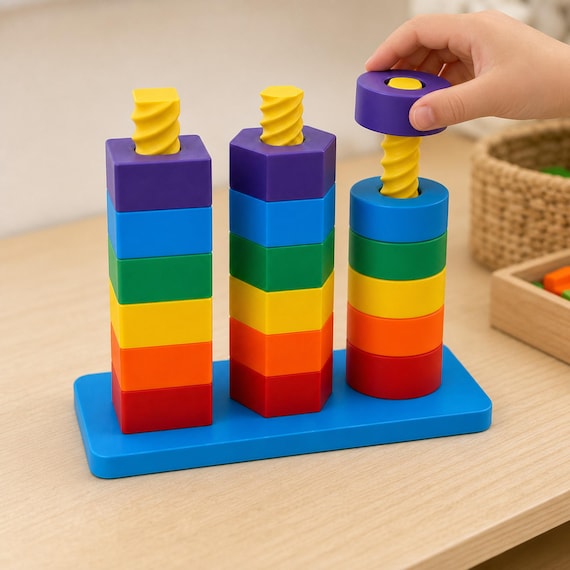
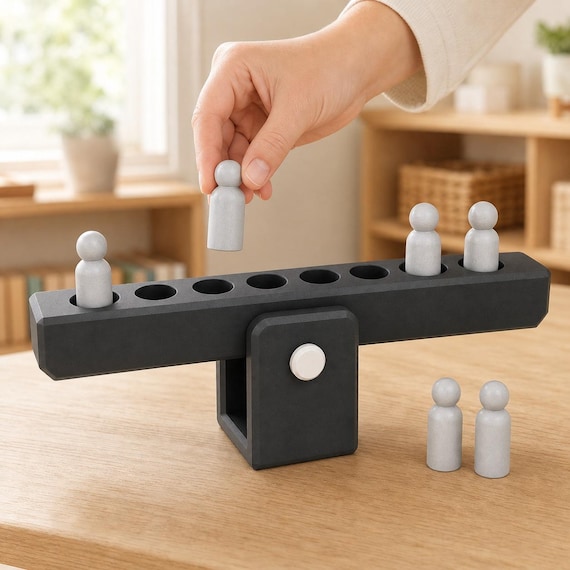
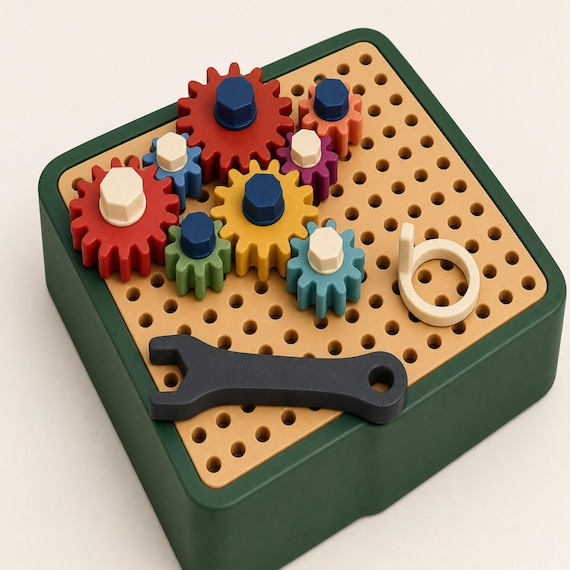
Group materials around one clear invitation—counting, matching, geometry, sorting, or fine-motor practice—so a child can understand how to begin. Keep every needed piece together and check that the activity suits the learner’s current stage. A focused task makes independent work easier to observe and helps adults notice when it is time to add challenge or simplify the setup.
Rotate instead of crowding
Keep a small number of activities visible and rotate them as interest and ability change. Too many choices can turn a learning shelf into general storage, while a limited selection encourages deeper repetition. Combine one familiar activity, one current challenge, and one open-ended option. Store the remaining materials out of sight, then bring them back when they feel fresh again.
Give every piece a home
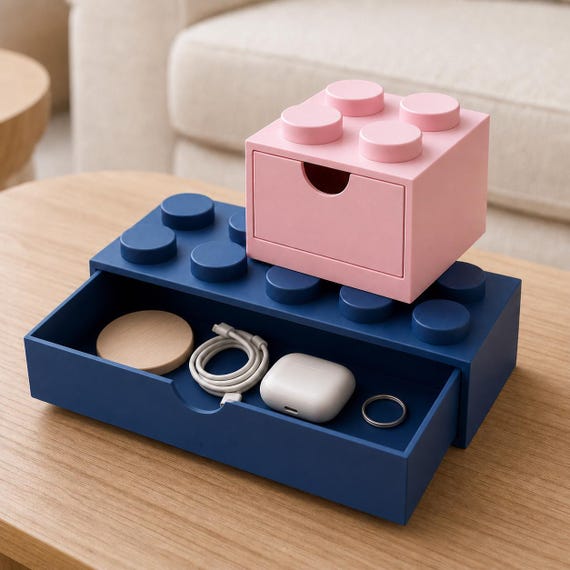
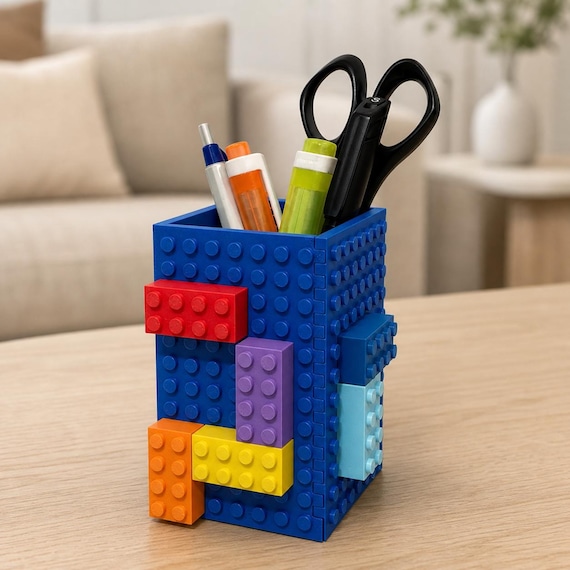
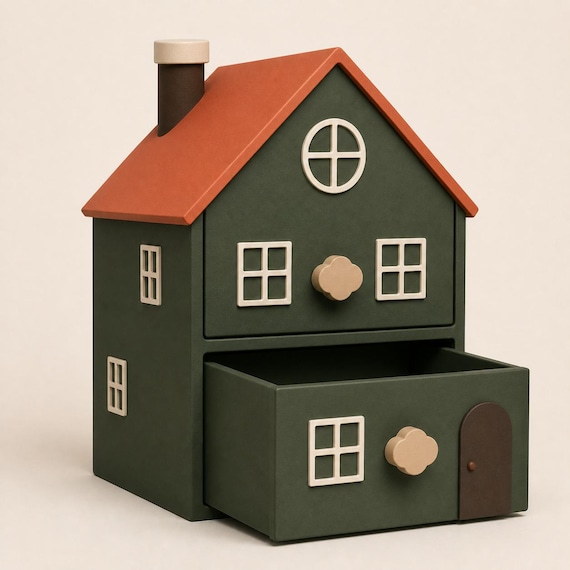
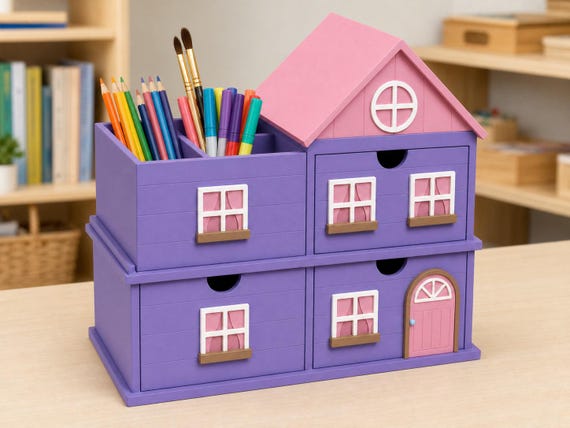
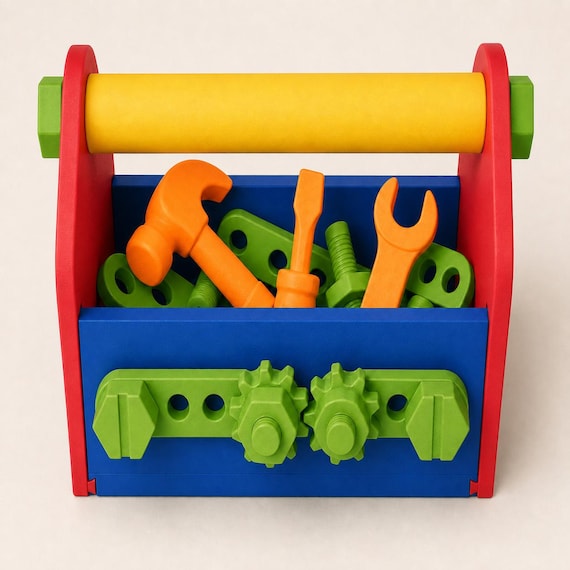
A nearby caddy, drawer system, or divided container makes setup and reset part of the learning routine. Use containers a child can handle safely and keep each activity’s complete set together. Before choosing an organizer, count the pieces and measure the shelf depth. Product pages show included components; final options and current availability are confirmed on Etsy.